Unlocking Wellbeing: How Emotional Intelligence Drives Mental Health and Life Satisfaction

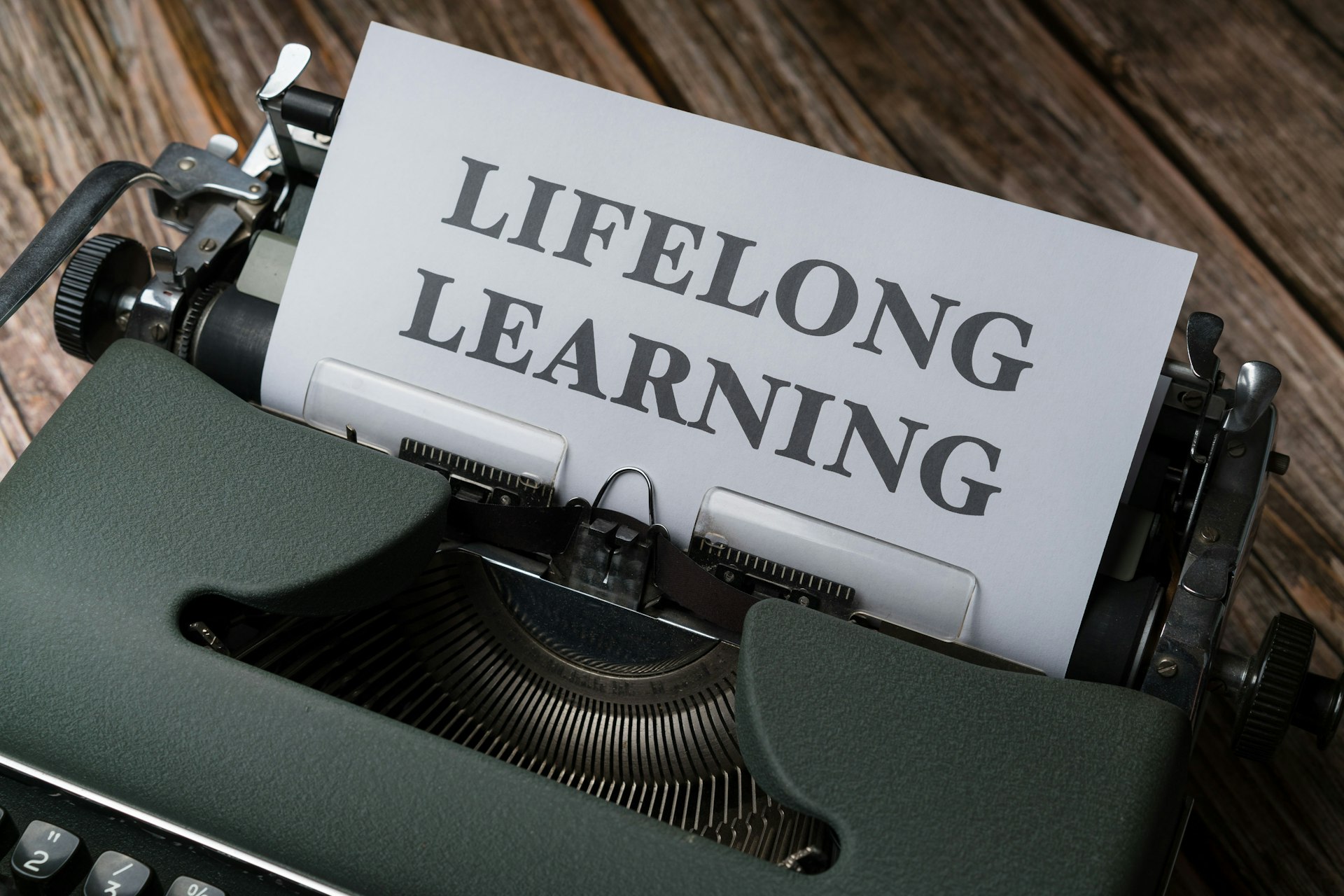
Photo by Shamblen Studios on Unsplash
Introduction: Emotional Intelligence as the Key to Wellbeing
Emotional intelligence (EI), sometimes referred to as EQ, is increasingly recognized as a foundational pillar of wellbeing. Defined as the ability to perceive, understand, manage, and utilize emotions effectively, EI shapes how people handle stress, interact with others, and pursue their goals. Extensive research confirms that individuals with high emotional intelligence experience better mental health, healthier relationships, and higher overall life satisfaction [1] [2] . This article will explore the tangible benefits of emotional intelligence, practical methods for improvement, and guidance for leveraging EI to enhance wellbeing for yourself or those around you.
The Protective Role of Emotional Intelligence in Mental Health
High emotional intelligence offers a protective buffer against the challenges of modern life. Individuals who develop EI skills are better equipped to manage stress, adapt to change, and recover from setbacks. Studies show that higher EI correlates with lower rates of depression, anxiety, and burnout. For example, a 2020 study found that people with elevated EI not only experienced fewer symptoms of depression and anxiety, but also reported higher life satisfaction and overall wellbeing [1] . Meta-analyses examining thousands of participants reinforce these findings, showing a strong association between emotional intelligence and both mental and physical health outcomes [2] .
In practical terms, emotionally intelligent people are more resilient. They can identify stress triggers, regulate emotional responses, and engage in problem-solving rather than avoidance. This not only reduces vulnerability to mental health issues but also supports long-term emotional balance and psychological stability.
Emotional Intelligence and Relationships: Building Social Wellbeing
Strong relationships are a cornerstone of wellbeing, and emotional intelligence is the engine that powers them. EI enables individuals to recognize and understand both their own emotions and those of others. This leads to more effective communication, empathy, and conflict resolution [4] . For example, someone with high EI can sense when a friend is upset and respond supportively, strengthening the bond between them.
Real-world scenarios highlight the value of EI in social situations. Consider a workplace disagreement: an emotionally intelligent person can manage their own frustration, listen actively to others, and find common ground, reducing stress for everyone involved. In personal life, EI fosters compassion, assertiveness, and healthy boundaries, all of which are essential for sustaining meaningful connections.
The Mechanisms: How Emotional Intelligence Promotes Wellbeing
EI supports wellbeing through several mechanisms:
- Self-Awareness: Understanding one’s own emotions helps clarify motivations and values, leading to greater self-acceptance and reduced internal conflict.
- Emotion Regulation: The ability to manage emotional reactions prevents impulsive decisions and promotes calmness in stressful situations.
- Empathy: Tuning into others’ emotions enhances social intelligence, which is vital for building trust and rapport.
- Assertiveness and Independence: Expressing oneself clearly and setting boundaries supports autonomy and confidence.
- Problem Solving and Stress Tolerance: Effective coping strategies for adversity reduce the impact of stressors and facilitate growth.
Research shows that these EI subskills-such as self-regard, interpersonal relationships, and impulse control-are strongly linked to emotional stability and lower levels of apprehension and tension [2] .
Practical Steps to Develop Emotional Intelligence
Building emotional intelligence is a lifelong journey, but there are actionable steps anyone can take:
- Mindfulness Practice: Regular mindfulness exercises enhance self-awareness and help recognize emotional patterns. You can start with guided mindfulness meditations, available through established mental health organizations and apps.
- Journaling: Keeping a journal of emotional experiences can clarify triggers and patterns, supporting more effective regulation and decision-making.
- Active Listening: Practice listening to others without judgment or interruption. This builds empathy and strengthens relationships.
- Seeking Feedback: Asking trusted colleagues or friends for honest feedback about emotional responses can reveal blind spots and support growth.
- Professional Support: Therapists, coaches, and counselors can offer structured programs for EI development. If you need help finding a qualified provider, consider searching for licensed mental health professionals through your local health department or established organizations such as the American Psychological Association.
It’s important to remember that learning about EI is only the first step-regular practice and reflection are essential for lasting change [4] .
Challenges and Solutions in Cultivating Emotional Intelligence
Developing EI is not without obstacles. Common challenges include ingrained emotional habits, resistance to change, and lack of self-awareness. To overcome these barriers:
- Set realistic, incremental goals for improvement.
- Engage in supportive group settings, such as workshops or peer networks, to practice EI skills.
- Utilize digital tools and resources from verified health organizations, like self-assessment quizzes or educational webinars.
- Be patient and persistent-growth in emotional intelligence takes time and consistent effort.
Many organizations provide free resources and support for EI growth. For example, you can find educational materials and community programs through local public health agencies or reputable non-profit groups focused on mental wellness.

Photo by Markus Winkler on Unsplash
Alternative Approaches: Beyond Individual Practice
While personal development is central, there are broader ways to promote EI and wellbeing:
- Workplace Training: Many employers offer emotional intelligence workshops or coaching. To access these, inquire with your human resources department or look for employee assistance programs.
- School-Based Programs: Educational institutions increasingly incorporate social-emotional learning (SEL) into curricula. Parents and educators can research SEL initiatives in their school district or contact school counselors for guidance.
- Community Initiatives: Non-profit organizations and local councils often host seminars or support groups aimed at boosting emotional intelligence and mental health. Search for community mental health programs in your area or consult your local library for event listings.
These alternative pathways offer structured environments for EI growth and promote collective wellbeing.
Accessing Resources and Support
If you are interested in developing emotional intelligence or need support for mental health and wellbeing, consider these steps:
- Contact your local health department and inquire about mental health services or EI workshops.
- Search for licensed therapists or counselors using the American Psychological Association’s “Psychologist Locator” or similar directories.
- Visit official websites of reputable organizations, such as the National Alliance on Mental Illness (NAMI), for evidence-based resources and support networks.
- Look for books, courses, and online materials from established publishers and academic institutions.
Before participating in any program, verify its legitimacy and credentials. Avoid services that lack professional accreditation or clear evidence of expertise.
Key Takeaways
Emotional intelligence plays a vital role in personal and social wellbeing. Through practical skills like self-awareness, empathy, and emotion regulation, EI helps individuals manage stress, build strong relationships, and achieve life satisfaction. Developing emotional intelligence is achievable through committed practice, professional support, and engagement in community or workplace initiatives. Multiple pathways exist for those seeking to enhance EI, with resources available through verified health organizations and educational institutions. By investing in emotional intelligence, you are laying the foundation for a happier, healthier, and more resilient life [5] .
References
- [1] Immunize Nevada (2023). Emotional Intelligence and Mental Health: A Pathway to Well-being.
- [2] MHS (2022). The Mental and Physical Health Benefits of Emotional Intelligence.
- [3] Psychology Today (2020). Another Reason to Work on Your Emotional Intelligence.
- [4] HelpGuide (2024). Improving Emotional Intelligence (EQ): Expert Guide.
- [5] PubMed Central (2024). The Vital Connection Between Emotional Intelligence and Well-being.