Unlock Mental Wellbeing Through Creative Expression: Proven Paths to Reduced Stress and Greater Joy

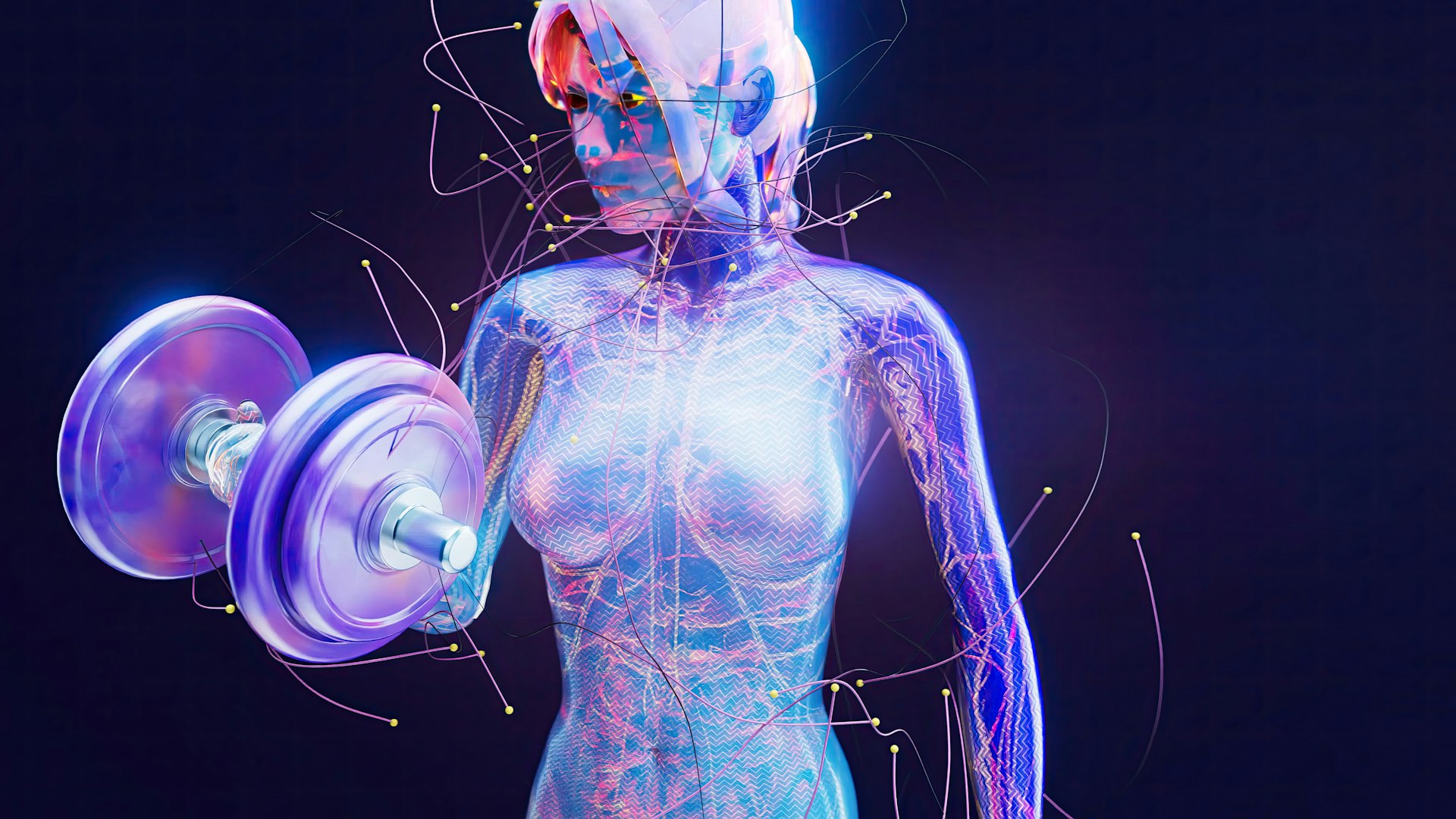
Photo by Leonifel Ramirez on Unsplash
Introduction to Mental Wellbeing Through Creative Expression
Creative expression serves as a powerful, accessible tool for enhancing mental wellbeing. Activities such as painting, writing, dancing, or playing music provide outlets for emotions, reduce stress, and promote emotional balance. [1] Research consistently shows that these pursuits stimulate the brain, foster new neural connections, and lead to measurable improvements in mood and life satisfaction. In a world filled with daily pressures, turning to creativity offers a natural way to manage anxiety and build resilience without needing specialized equipment or training.
Studies highlight that engaging in creative activities can decrease cortisol levels, the body’s primary stress hormone, by up to 20%. [1] This physiological response creates a calmer state, allowing individuals to process emotions more effectively. For many, this shift marks the beginning of a sustainable wellbeing practice that complements professional mental health support.
The Science Behind Creativity and Mental Health
Scientific evidence underscores the direct link between creative expression and improved mental wellbeing. A study published in the
American Journal of Public Health
found that adults regularly participating in creative activities reported 50% higher life satisfaction and lower depression levels.
[1]
Similarly, experimental research in Malaysia demonstrated that creativity priming tasks significantly boosted subjective wellbeing scores, even after controlling for stress, with experimental groups scoring higher (M=31.48) than controls (M=24.55).
[3]
Creativity induces a ‘flow state,’ where individuals become fully immersed, pushing worries aside and enhancing focus. [3] This state aligns with flow theory, promoting life satisfaction and psychological health. Harvard experts note that making art rewires the brain, reducing cortisol while increasing dopamine, serotonin, oxytocin, and endorphins-key hormones for happiness and connection. [6] These changes not only lower stress but also improve social cognition and behaviors over time.
For youth, a study by the Adobe Foundation and NAMI revealed that over 60% of young people experienced improved confidence through creative expression, with many reporting reduced stress and anxiety. [2] [4] Marginalized groups, including LGBTQ+ individuals, saw even greater benefits, such as a 57% reduction in depression feelings compared to 44% in heterosexual respondents. [4] These findings suggest creativity’s role in building identity, purpose, and community belonging.
Key Benefits of Creative Expression for Mental Wellbeing
One primary benefit is stress reduction. Art therapy participants reported a 75% drop in anxiety after brief sessions. [1] Nearly two-thirds (61-63%) of survey respondents across ages noted lower stress and higher confidence from creative pursuits. [4] This makes creativity a practical destressing tool, especially for those motivated by emotional expression-41% started creating to manage anxiety. [4]
Creative activities also enhance self-esteem and social bonds. Group settings boost community connection by up to 45%, fostering belonging. [1] For young people aged 13-25, 50% reported stronger identity and purpose, higher than the general population. [4] Physiological effects include mindfulness-like relaxation, where worries fade, promoting emotional release without verbal communication. [5]
Overall mental wellbeing improves, with 57% of participants noting better health. [4] These benefits are reciprocal: higher wellbeing can spark more creativity, creating a positive cycle. [3]
Practical Ways to Practice Creative Expression
Start with visual arts like painting or drawing. No artistic skill is required-focus on process over product. Begin with 15-30 minutes daily: gather basic supplies like paper and markers, choose a prompt like ‘my emotions today,’ and create freely. Studies show even short sessions yield anxiety reductions. [1] Challenge: perfectionism. Solution: set a timer and remind yourself it’s for wellbeing, not critique.
Writing offers another accessible entry. Journaling or poetry allows emotion processing. Step 1: Find a quiet space. Step 2: Write stream-of-consciousness for 10 minutes. Step 3: Reflect without judgment. Alternatives include fiction or scripts, which induce flow states. [3] For groups, join free community workshops through local libraries or mental health organizations like NAMI-search their sites for ‘art therapy groups.’
Dance or music engages the body. Put on music and move intuitively, or hum a tune. These build confidence, with 60% of youth reporting gains. [2] If introverted, try solo sessions; extroverts might prefer classes. Track progress in a wellbeing journal to note mood shifts.
Overcoming Barriers and Building Habits
Common challenges include time constraints or self-doubt. Start small: integrate creativity into routines, like doodling during breaks. Pair with mindfulness for amplified effects. [5] For motivation, recall that 46% of youth began to reduce stress. [4] Build habits by scheduling weekly sessions and celebrating small wins.
Access resources via public libraries for free supplies or online tutorials from reputable sources. Consider art therapy if deeper support is needed-contact behavioral health providers like Primary Purpose Behavioral Health for guidance. [1] NAMI offers community programs; search their official site for local chapters. Alternatives: apps for guided creative prompts, ensuring they align with evidence-based practices.

Photo by Veronika Scherbik on Unsplash
Real-world example: LGBTQ+ youth using online influencers for inspiration report stronger community ties. [2] Another: Malaysian adults in priming studies saw immediate wellbeing lifts, applicable daily. [3]
Long-Term Impact and Integration
Consistent practice yields lasting changes, like rewired neural pathways for better mood regulation. [6] Track benefits over months: reduced anxiety, higher satisfaction. Combine with therapy for comprehensive care-creativity complements, not replaces, professional help. [2]
Encourage group involvement for belonging. Communities report 45% connection boosts. [1] Your creative journey prioritizes personal growth, forging deeper self-awareness and joy.
References
[1] Primary Purpose Behavioral Health (n.d.). Exploring the Connection Between Creative Expression and Wellness. [2] Maine Beacon (n.d.). Study shows benefits of creativity for youth mental health. [3] PMC (2021). Being Creative Makes You Happier: The Positive Effect of Creativity on Subjective Well-Being. [4] NAMI (2023). New Research from Adobe Foundation and NAMI Shows Powerful Benefits of Creative Activities on Mental Health. [5] MQ Mental Health (n.d.). The Art of Destressing: How Creativity Creates Less Stress. [6] Harvard T.H. Chan School of Public Health (n.d.). Creativity, Connection, Happiness, and Health.