Uncovering Serene Spaces for Rejuvenation and Mindful Exploration

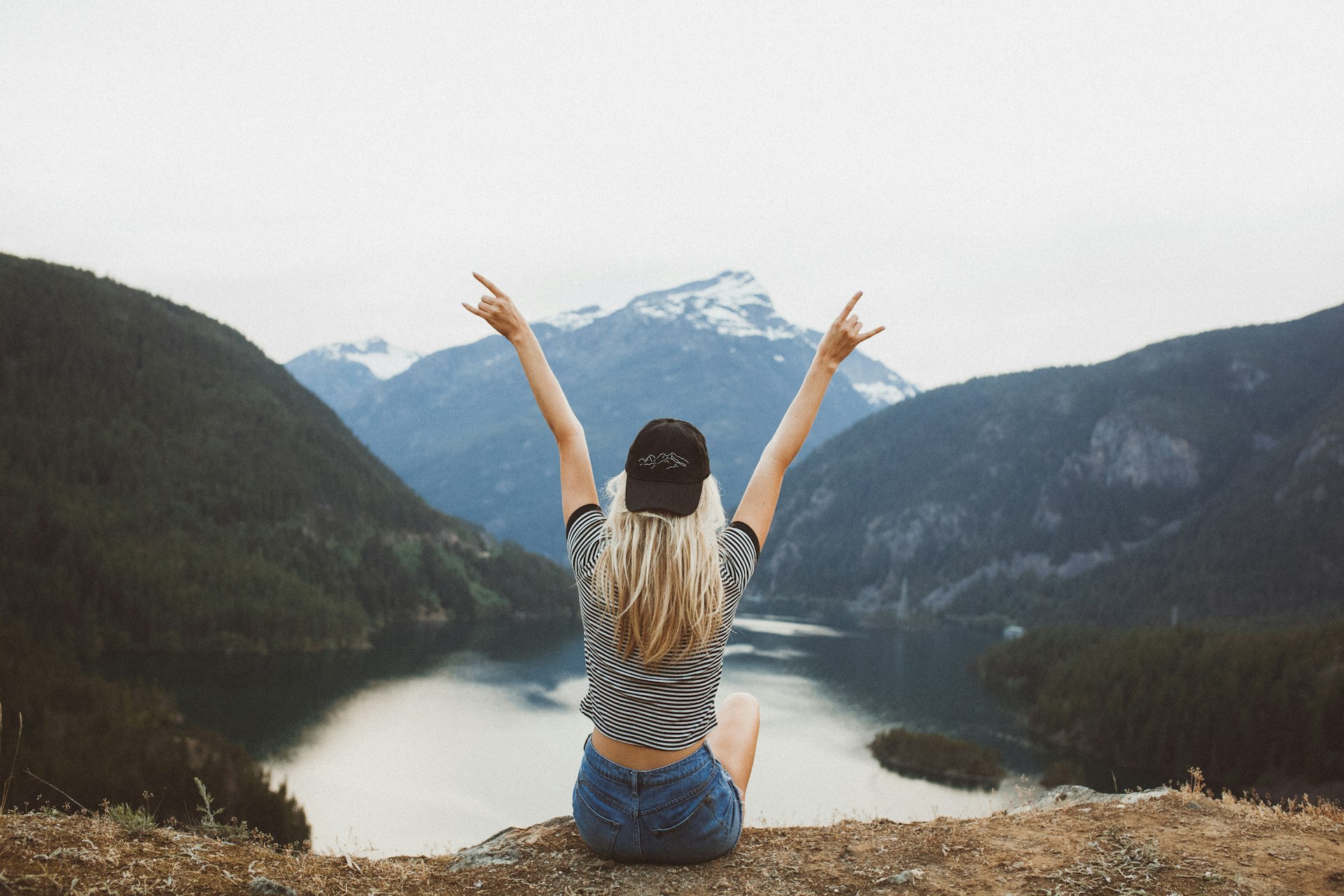
Photo by Fiona Murray-deGraaff on Unsplash
As modern life becomes increasingly fast-paced and saturated with digital distractions, more individuals are turning to intentional travel experiences that prioritize mental, physical, and emotional renewal. These spaces are designed to foster a deep sense of connection-with oneself, with nature, and with like-minded people-offering a break from the chaos of daily routines and an opportunity to reset.
What Defines a Rejuvenating Retreat Space?
A truly transformative retreat space is more than just a beautiful location; it’s a curated environment that supports holistic well-being. Key elements often include unobstructed access to nature, whether that’s a lush tropical forest, a quiet mountain valley, or a serene coastal shoreline. Many retreat centers also prioritize minimalism in their accommodations, reducing sensory overload and allowing guests to focus on inner reflection. Additionally, these spaces often offer personalized care plans, with experienced practitioners who tailor activities to each guest’s unique needs, rather than a one-size-fits-all schedule. Community is another important component; group sessions and shared meals create a supportive environment where guests can connect with others on similar journeys of growth.
Exploring Diverse Retreat Experiences
Retreat destinations vary widely, each offering a unique approach to rejuvenation. Beachside mindfulness retreats, for example, often combine daily yoga and meditation sessions with ocean-based activities like gentle swimming or beach walks. In Bali, many such retreats are nestled in rice fields overlooking the Indian Ocean, offering guests the chance to practice sunrise yoga while listening to the sound of waves. These retreats often include workshops on herbal medicine and traditional Balinese healing practices, which focus on balancing the body’s energy centers.
Mountain wellness getaways, on the other hand, leverage the crisp air and panoramic views to support physical and mental recovery. In the Swiss Alps, retreat centers offer hiking and guided nature walks alongside practices like alpine herbal baths and breathwork sessions. The high altitude and quiet surroundings help guests reduce stress hormones and improve their sleep quality. For those seeking a deeper connection to nature, forest bathing retreats in Japan provide a structured way to engage with the natural world. Originating from the Japanese practice of shinrin-yoku, these retreats involve slow, mindful walks through ancient forests, with guides teaching guests to notice the sights, sounds, and scents of the trees. Research has shown that forest bathing can lower blood pressure, reduce anxiety, and boost the immune system.
Desert rejuvenation centers, like those in Arizona’s Sonoran Desert, offer a different kind of transformation. The vast, open landscapes encourage introspection, and many retreats here focus on silent meditation and journaling. Guests often participate in stargazing sessions at night, which help them feel connected to the larger universe and gain perspective on their daily challenges. These retreats also frequently include nutritional workshops, emphasizing plant-based meals that are locally sourced and designed to nourish the body from the inside out.
Key Practices Found in Holistic Destinations
Most holistic retreats offer a range of practices that address different aspects of well-being. Yoga is a staple, with classes ranging from gentle Hatha to dynamic Vinyasa, catering to all skill levels. Yoga not only improves flexibility and strength but also helps guests develop mindfulness by focusing on their breath and movement. Meditation is another core practice, with sessions including guided mindfulness meditation, transcendental meditation, and loving-kindness meditation. Regular meditation has been linked to reduced stress, improved concentration, and increased emotional resilience.
Sound healing is a growing practice in many retreats, using instruments like singing bowls, gongs, and tuning forks to create vibrations that promote relaxation. These sounds help calm the nervous system and induce a state of deep rest, allowing guests to release tension and emotional blockages. Herbal therapies, such as herbal teas, tinctures, and topical treatments, are also common, with many retreats growing their own organic herbs to ensure purity. Nutritional workshops teach guests about the connection between diet and well-being, offering tips on how to incorporate whole foods into their daily meals and reduce processed foods that can cause inflammation.
Journaling is often encouraged as a way to process emotions and gain clarity. Many retreats provide quiet spaces for journaling, along with prompts that guide guests to reflect on their goals, challenges, and achievements. Some retreats also offer art therapy sessions, allowing guests to express themselves through painting, drawing, or pottery, which can be a powerful way to release emotions that are difficult to put into words.

Photo by Marek Piwnicki on Unsplash
How to Choose the Right Retreat for You
When selecting a retreat, it’s important to consider your specific goals. If you’re looking to reduce stress, a quiet meditation retreat in a remote location may be the best fit. If you’re recovering from an injury or looking to improve your physical fitness, a retreat that offers gentle movement therapies and nutritional support may be more appropriate. Budget is another factor, as retreats can range from affordable weekend getaways to luxury multi-week experiences. Duration is also important; some people prefer a short 3-day retreat to test the waters, while others opt for a 7-day or 14-day retreat to fully immerse themselves in the practices.
Location preferences should also be taken into account. Some people thrive in warm, tropical climates, while others prefer the cool, crisp air of the mountains. It’s also important to research the retreat center’s philosophy and the qualifications of their practitioners. Look for centers that prioritize evidence-based practices and have experienced staff who are trained in holistic care. Reading reviews from past guests can also provide valuable insights into the quality of the retreat experience.
Integrating Retreat Learnings into Daily Life
One of the biggest challenges after a retreat is maintaining the habits and practices you’ve learned. To make the most of your experience, start small by incorporating one or two practices into your daily routine. For example, you might start your day with a 10-minute meditation session or a cup of herbal tea. Creating a dedicated space in your home for these practices, such as a quiet corner with a yoga mat and a candle, can help you stay consistent.
Staying connected to nature is another important way to maintain balance. Even if you live in a city, you can take daily walks in a local park or spend time tending to a small garden. Continuing to practice mindfulness in your daily activities, such as eating meals slowly or focusing on your breath during a commute, can help you stay present and reduce stress. Many retreat centers offer follow-up resources, such as online classes or community groups, which can help you stay connected to the practices and the community you built during your retreat.
Ultimately, the goal of these retreats is to provide guests with the tools and mindset to live a more balanced and intentional life. Whether you’re seeking to reduce stress, improve your health, or gain clarity on your goals, these destinations offer a supportive environment to grow and renew. By taking the time to invest in your well-being, you can build a foundation for long-term happiness and fulfillment.