Nurturing Well-Being While Exploring: Practical Habits for Healthy Travel

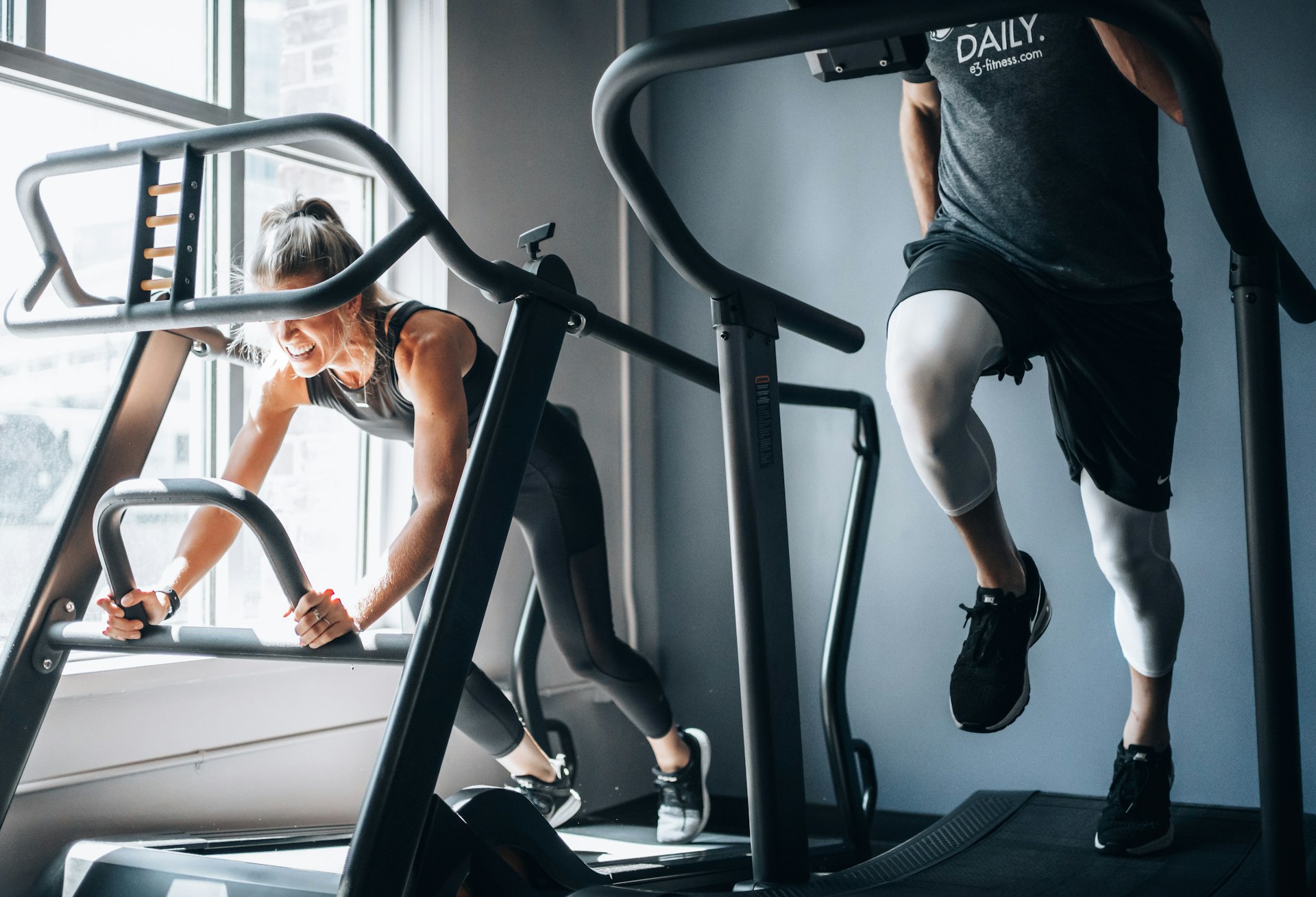
Photo by Becca Tapert on Unsplash
Prioritize Consistent Sleep
Travel often disrupts our circadian rhythms, whether due to crossing time zones or staying up late to explore new cities. Jet lag can leave you feeling groggy, irritable, and less able to enjoy your trip. To mitigate this, start adjusting your sleep schedule a few days before departure: if traveling east, go to bed and wake up 30 minutes earlier each day; if traveling west, shift your schedule later. Once you arrive at your destination, get natural sunlight as soon as possible in the morning-this helps reset your internal clock by suppressing melatonin production. Pack a small travel kit with a blackout eye mask, earplugs, and a white noise app to create a sleep-friendly environment even in unfamiliar hotel rooms. Avoid caffeine and heavy meals for at least three hours before bed, and try to stick to a consistent bedtime and wake-up time, even on days when you have no plans. If you feel the need to nap during the day, keep it to 20 minutes or less to avoid interfering with nighttime sleep.
Move Your Body Daily
Long flights, bus rides, and car trips can leave your body feeling stiff and sluggish, and prolonged sitting can increase the risk of blood clots. Incorporating movement into your travel days not only keeps your muscles active but also boosts your mood and energy levels. Start each morning with a 10-minute stretching routine to loosen up tight shoulders, hips, and legs-focus on gentle stretches that target areas prone to tension from sitting. When exploring a new city, opt to walk or bike instead of taking taxis or public transit whenever possible; this not only helps you stay active but also allows you to discover hidden gems like local cafes, street art, and small parks you might otherwise miss. Many hotels offer free gym access or have outdoor spaces for yoga; even a 20-minute workout can make a big difference in how you feel throughout the day. If you’re on a road trip, plan stops every two hours to get out of the car, stretch your legs, and take a short walk around the area-this also gives you a chance to stretch your back and improve circulation.
Mindful Eating on the Go
One of the joys of travel is trying new foods, but it’s easy to overindulge in rich, fatty dishes or skip meals due to busy schedules. To maintain balance, start each day with a nutrient-dense breakfast that includes protein, fiber, and healthy fats-this keeps you full longer and prevents mid-morning energy crashes. For example, a bowl of oatmeal with fresh fruit and nuts, or a veggie omelet with whole-grain toast, can provide the energy you need to start your day. When choosing meals, look for options that include fresh fruits, vegetables, and lean proteins alongside local specialties. For instance, if you’re in Thailand, pair a plate of pad thai with a side of fresh mango salad, or in Greece, enjoy a gyro with a serving of tzatziki and roasted vegetables. Stay hydrated by carrying a reusable water bottle; drinking enough water helps with digestion, energy levels, and overall well-being. Avoid sugary drinks and excessive alcohol, which can dehydrate you and disrupt your sleep. Listen to your body’s hunger cues-eat when you’re hungry, not just because there’s food available, and stop eating when you’re satisfied instead of overfull.
Manage Stress and Mental Wellness
Travel can be exciting, but it can also be stressful-delayed flights, lost luggage, and language barriers can take a toll on your mental health. To stay grounded, incorporate small mindfulness practices into your daily routine. Take five minutes each morning to meditate or practice deep breathing exercises; there are many free apps that offer guided meditations specifically designed for travelers, focusing on reducing anxiety and promoting calm. Keep a journal to document your experiences, thoughts, and feelings-this not only helps you process your trip but also serves as a keepsake for later, allowing you to revisit your favorite memories. Set boundaries with your travel plans: it’s okay to skip a tourist attraction if you’re feeling overwhelmed, and take time to sit in a park or café and just observe your surroundings. Disconnect from your devices for a few hours each day to fully immerse yourself in the moment and avoid the stress of work emails or social media notifications. Connecting with locals or other travelers can also help reduce stress and make the trip more enjoyable-striking up a conversation with a local shop owner or joining a small group tour can lead to meaningful connections and new perspectives.

Photo by JESHOOTS.COM on Unsplash
Protect Your Physical Health
Travel exposes you to new environments and germs, so taking steps to protect your physical health is essential. Wash your hands frequently with soap and water for at least 20 seconds, especially before eating or touching your face. Carry a small bottle of hand sanitizer with at least 60% alcohol for times when soap isn’t available. Protect your skin from the sun by wearing sunscreen with an SPF of 30 or higher, a wide-brimmed hat, and sunglasses-even on cloudy days, UV rays can cause damage to your skin and increase the risk of skin cancer. Pack a small first-aid kit with essential items like band-aids, pain relievers, antacids, and any prescription medications you need; make sure to keep your medications in their original packaging and carry them in your carry-on luggage to avoid losing them if your checked bags are delayed. If you’re traveling to an area with specific health risks, like malaria or yellow fever, check with your doctor or a travel health clinic at least four weeks before departure to get any necessary vaccinations or medications. Make sure to get enough rest; don’t try to cram too many activities into one day, as this can lead to burnout and increase your risk of getting sick.