Navigating the First Six Months After Childbirth: A Holistic Look at Physical and Emotional Adjustments

Photo by Monika Kozub on Unsplash
Physical Changes in the Postpartum Period
For most individuals, the first few weeks after childbirth are marked by rapid physical shifts as the body begins to return to its pre-pregnancy state. Uterine involution, the process by which the uterus shrinks back to its original size, typically takes six to eight weeks. During this time, many experience lochia, a discharge of blood and uterine tissue that gradually changes color from bright red to pink and then to a yellowish-white. This is a normal part of healing, though heavy or foul-smelling discharge should be discussed with a healthcare provider.
Perineal healing is another key aspect of physical recovery, especially for those who had a vaginal birth with tearing or an episiotomy. Ice packs, sitz baths, and gentle cleansing can help reduce discomfort and promote healing. For individuals who underwent a cesarean section, incision care is critical-keeping the area clean and dry, and avoiding heavy lifting for the first six weeks can prevent complications like infection or separation of the incision site.
Breast changes are also common during this time. Many individuals experience engorgement as their milk comes in, usually between two to five days after birth. Wearing a supportive bra, applying warm compresses before feeding, and cold compresses afterward can help alleviate discomfort. It’s important to note that breastfeeding does not always come easily, and seeking guidance from a lactation consultant can be invaluable for those facing challenges.
Sleep deprivation is a universal experience for new caregivers, as babies typically wake every two to three hours to feed. This lack of sleep can exacerbate physical discomfort and emotional stress, making it essential to prioritize rest whenever possible-even if it means taking short naps while the baby sleeps.
Emotional and Mental Well-being
The postpartum period is often associated with a range of emotional changes, from overwhelming joy to moments of sadness or anxiety. “Baby blues” are common, affecting up to 80% of new parents, and typically manifest as mood swings, tearfulness, and irritability within the first two weeks after birth. These feelings are usually temporary and resolve on their own with rest and support.
However, for some individuals, these feelings persist or intensify, leading to postpartum depression (PPD) or postpartum anxiety (PPA). PPD affects approximately 10-15% of new parents and can include symptoms like persistent sadness, loss of interest in activities once enjoyed, difficulty bonding with the baby, and thoughts of harming oneself or the baby. PPA, on the other hand, is characterized by excessive worry, panic attacks, and obsessive thoughts about the baby’s safety. Both conditions are treatable with therapy, medication, or a combination of both, and it’s crucial to reach out to a healthcare provider if these symptoms arise.
Self-compassion is an important part of emotional recovery. Many new parents feel pressure to “do it all” or to return to their pre-pregnancy bodies quickly, but it’s important to recognize that recovery takes time. Allowing oneself to ask for help, setting small, realistic goals, and celebrating small victories can help build confidence and reduce feelings of inadequacy.
Nutrition and Movement for Recovery
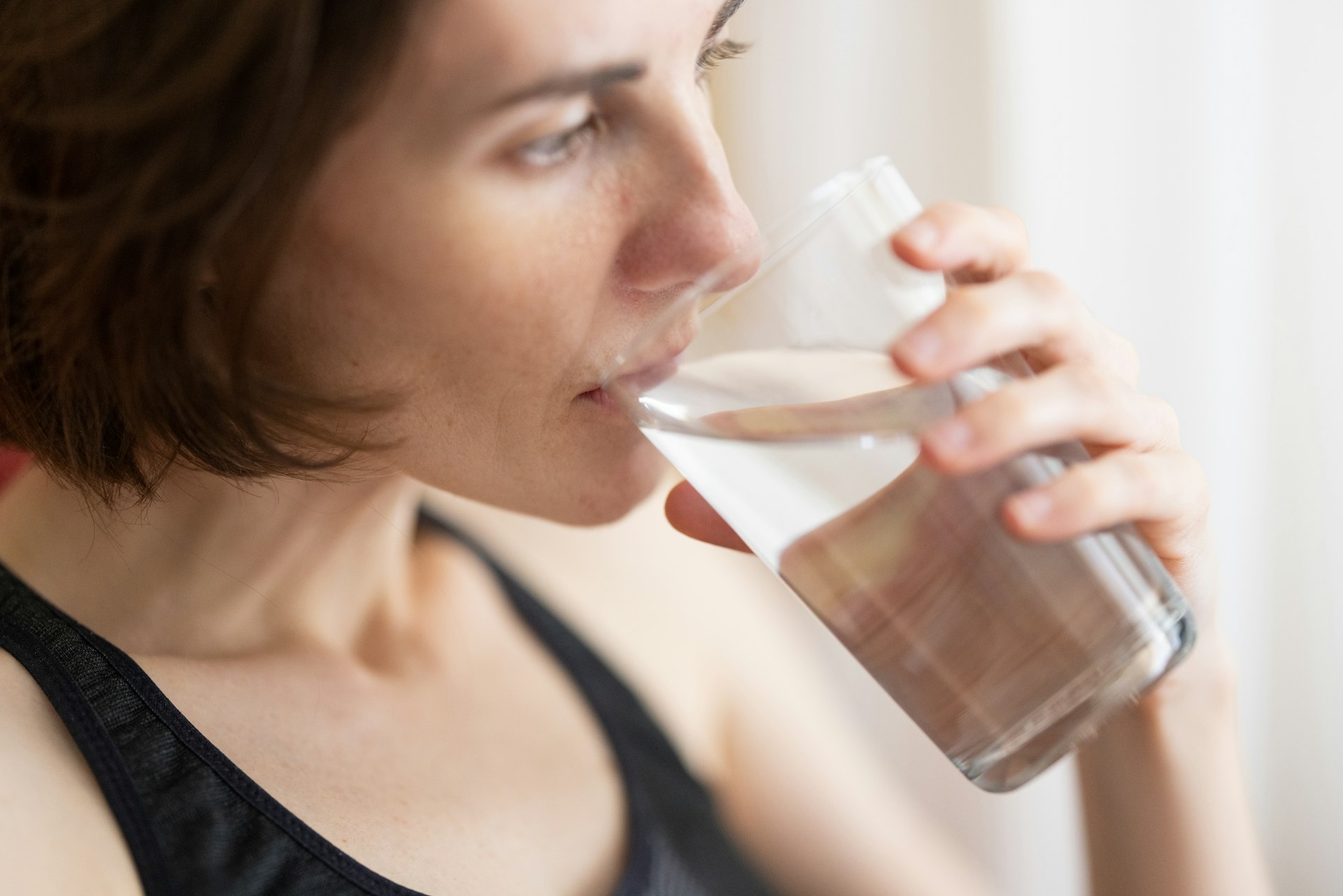
Proper nutrition is essential for postpartum recovery, as the body needs extra nutrients to heal and produce milk (if breastfeeding). Focusing on nutrient-dense foods like lean proteins, whole grains, fruits, vegetables, and healthy fats can help boost energy levels and support healing. It’s also important to stay hydrated, as dehydration can worsen fatigue and affect milk supply.
Gentle movement can also aid in recovery, though it’s important to wait until a healthcare provider gives clearance. For most individuals, walking is a safe and effective way to start moving again-even short, daily walks can help improve circulation, reduce swelling, and boost mood. Pelvic floor exercises, also known as Kegels, can help strengthen the muscles that support the bladder, uterus, and rectum, reducing the risk of urinary incontinence. It’s important to perform these exercises correctly, so working with a physical therapist who specializes in postpartum care can be beneficial.
As recovery progresses, individuals can gradually incorporate more intense exercises like yoga or strength training, but it’s important to listen to the body and avoid overexertion. Returning to pre-pregnancy exercise routines too quickly can lead to injury or setbacks in recovery.
Building a Support System
Having a strong support system is crucial for postpartum recovery. Partners can play a key role by helping with household chores, caring for the baby during feedings, and providing emotional support. Family and friends can also offer practical help, like bringing meals or running errands, which can reduce stress and allow new parents to focus on rest and bonding with their baby.
Healthcare providers are another important part of the support system. Regular postpartum check-ups allow providers to monitor physical and emotional recovery, address any concerns, and provide referrals to specialists if needed. Many communities also offer postpartum support groups, either in-person or online, where new parents can connect with others who are going through similar experiences. These groups can provide a safe space to share stories, ask questions, and receive emotional support.

Photo by 🇸🇮 Janko FerliÄ on Unsplash
It’s important to remember that every postpartum experience is unique. What works for one person may not work for another, and there is no “right” way to recover. Being patient with oneself, seeking help when needed, and prioritizing self-care can help make the postpartum period a more positive and manageable experience.