Emerging Shifts in Holistic Wellness: What to Expect in the Coming Years

Photo by Markus Winkler on Unsplash
The Evolution of Holistic Wellness Frameworks
For decades, holistic wellness has centered on the interconnectedness of mind, body, and spirit, but recent years have seen this concept expand to include more nuanced dimensions, such as social and environmental well-being. As global challenges like stress, burnout, and disconnection persist, individuals are seeking more comprehensive ways to care for themselves that go beyond isolated treatments or short-term solutions. This shift reflects a growing recognition that well-being is not just the absence of illness but a state of complete physical, mental, and social flourishing.
Tech-Enhanced Holistic Care
Advancements in digital technology are making personalized holistic support more accessible than ever. Wearable devices, once limited to tracking physical activity, now integrate metrics related to sleep quality, stress hormones, and even emotional regulation. For example, some wearables use heart rate variability data to suggest breathing exercises or mindfulness practices tailored to an individual’s current state. Additionally, AI-powered platforms are analyzing user data to create customized wellness plans that combine nutrition, movement, and mental health strategies, adapting over time as the user’s needs change. These tools do not replace human practitioners but rather complement their guidance, providing ongoing support between sessions. Some AI platforms also connect users with holistic practitioners, such as acupuncturists or nutritionists, based on their specific needs and preferences. This bridge between digital tools and in-person care ensures that individuals receive the best of both worlds: the convenience of digital support and the personalized attention of a trained professional. Additionally, virtual reality (VR) is being used to create immersive wellness experiences, such as guided meditations set in natural environments, allowing individuals to access nature-based relaxation even if they are in urban settings.
Community-Centric Wellness Models
Another key shift is the move toward community-focused holistic wellness initiatives. Traditional wellness spaces often catered to individual needs, but now many programs are designed to foster connection among participants. For instance, neighborhood wellness hubs offer group workshops on herbal medicine, collective meditation, and sustainable living, creating spaces where individuals can share experiences and support one another. This approach recognizes that social connection is a critical component of well-being; studies have shown that strong social ties can reduce stress levels and improve long-term health outcomes. Community gardens, which combine physical activity, nutrition education, and social interaction, are also gaining popularity as a way to integrate multiple wellness dimensions into daily life. These community-focused initiatives are often led by local practitioners who understand the unique needs of their neighborhood, making the support more relevant and accessible. For example, in some urban areas, community wellness hubs offer sliding-scale pricing for their services, ensuring that individuals from all socioeconomic backgrounds can access holistic care. This focus on equity is a key part of the future of holistic wellness, as practitioners recognize that well-being should be a right, not a privilege.
Nature-Infused Wellness Practices
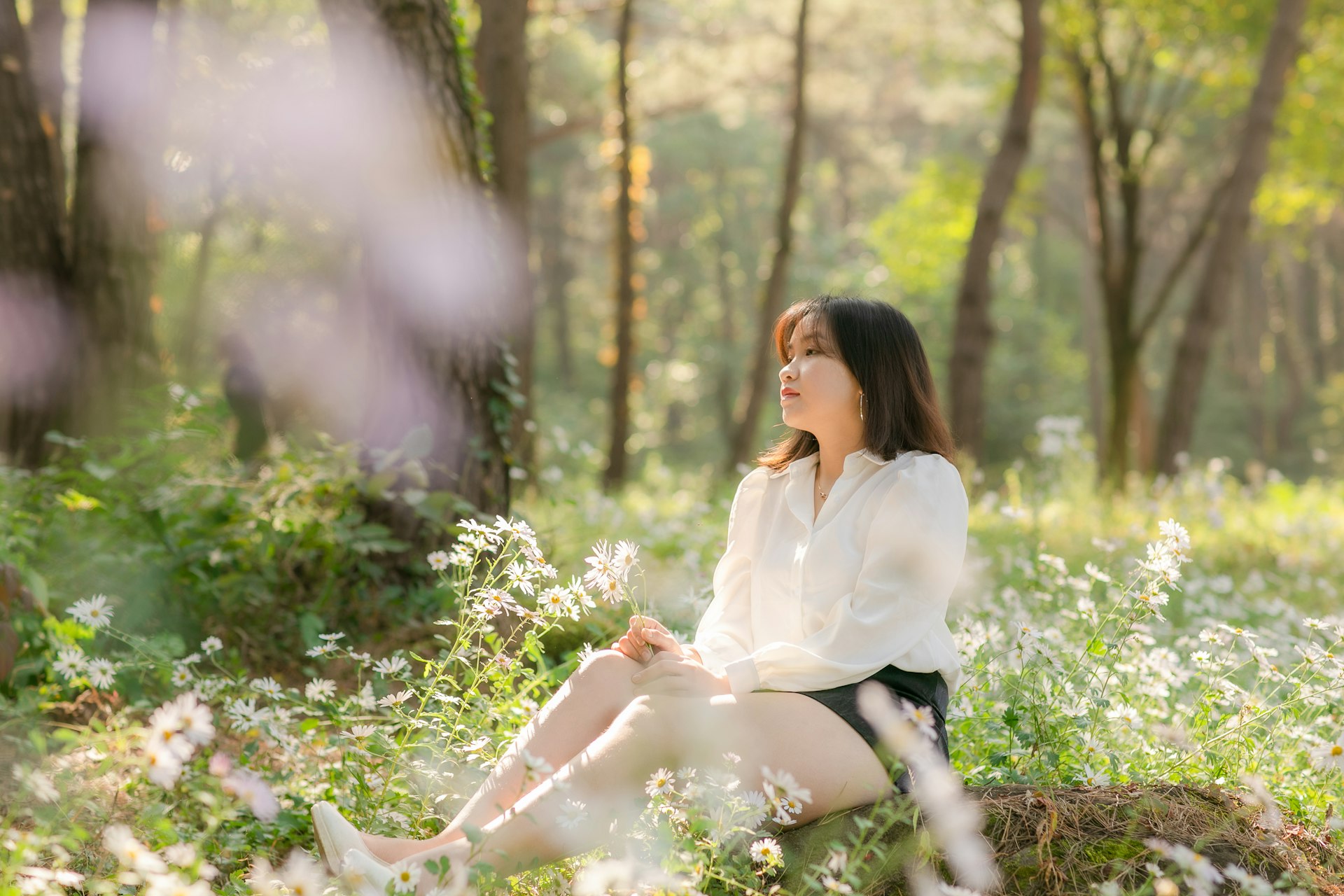
As urbanization continues to increase, there is a growing emphasis on reconnecting with nature as part of holistic wellness. Practices like forest bathing, which originated in Japan, have become mainstream in many Western countries, with research indicating that spending time in natural environments can lower blood pressure, reduce anxiety, and boost immune function. Additionally, eco-wellness retreats are combining traditional holistic treatments with sustainable living practices, such as zero-waste routines and organic farming. These retreats not only support individual well-being but also educate participants on how to make more environmentally conscious choices in their daily lives, aligning personal health with planetary health. Some cities are also incorporating nature into public spaces, such as rooftop gardens and urban parks, to make nature-based wellness more accessible to residents who may not have easy access to rural areas.
Personalized Wellness as a Standard
Gone are the days of one-size-fits-all wellness advice. Advances in genetic testing and microbiome analysis are allowing practitioners to create highly personalized wellness plans that address an individual’s unique biological makeup. For example, a person’s genetic predisposition to certain nutrient deficiencies can inform their dietary choices, while microbiome data can guide recommendations for probiotics or fermented foods to support gut health. This personalized approach extends to mental health as well; therapists are increasingly using genetic and lifestyle data to tailor therapy techniques and medication recommendations, ensuring that each individual receives the most effective support for their specific needs. Additionally, personalized wellness plans often take into account an individual’s cultural background and personal values, making the support more meaningful and sustainable.

Photo by Shashi Chaturvedula on Unsplash
Mental-Emotional Integration in Physical Care
Holistic wellness is also seeing a greater integration of mental and emotional care into physical health practices. Many healthcare providers now incorporate mindfulness-based stress reduction (MBSR) into treatment plans for chronic conditions like diabetes or heart disease, recognizing that stress can exacerbate physical symptoms. Additionally, yoga and other movement practices are being adapted to include more emotional awareness components, such as journaling prompts or guided reflections that help individuals process their feelings while engaging in physical activity. This integration acknowledges that physical health cannot be fully optimized without addressing underlying mental and emotional challenges. For example, individuals with chronic pain often find that combining physical therapy with cognitive-behavioral therapy (CBT) leads to better outcomes than physical therapy alone, as it addresses both the physical and emotional aspects of their pain.
The Future of Holistic Wellness Education
As holistic wellness becomes more mainstream, there is a growing demand for accessible, evidence-based education. Universities and online platforms are offering courses that combine traditional holistic practices with modern scientific research, preparing individuals to become holistic wellness practitioners or to simply enhance their own self-care routines. These courses cover topics like herbal medicine, energy healing, and trauma-informed care, ensuring that practitioners have the knowledge and skills to provide safe, effective support to their clients. Additionally, workplace wellness programs are increasingly incorporating holistic education, teaching employees how to manage stress, improve work-life balance, and nurture their overall well-being. This focus on education is critical to the future of holistic wellness, as it empowers individuals to take control of their own well-being and make informed choices about the care they receive.
As holistic wellness continues to evolve, it will likely become even more integrated into daily life, with new practices and technologies emerging to support individuals in their journey toward balance. By staying informed about these shifts, individuals can make more intentional choices about their well-being, ensuring that they are caring for all aspects of themselves in ways that are sustainable and meaningful. This ongoing evolution reflects a broader cultural shift toward prioritizing well-being as a core component of a fulfilling life, rather than an afterthought or luxury.