Crafting a Balanced Journey: Integrating Health and Wellness into Your Travel Itinerary

Photo by Element5 Digital on Unsplash
Pre-Travel Wellness Preparation
Before you even book your tickets, taking proactive steps to align your travel plans with your health goals can set the tone for a rejuvenating trip. The first step is scheduling a visit with your primary healthcare provider or a travel medicine specialist at least four to six weeks before departure. This appointment allows time for any necessary vaccinations, such as hepatitis A or typhoid for tropical destinations, or meningitis for certain African countries. Your provider can also offer personalized advice based on your medical history-for example, adjusting medication dosages for time zone changes if you have a chronic condition like hypertension.
Packing a wellness-focused travel kit is another critical part of preparation. Beyond the standard first-aid items like bandages and antiseptic wipes, include items that support your daily wellness routine: a reusable water bottle with a built-in filter to ensure safe drinking water anywhere, a small yoga mat or resistance band for quick workouts, travel-sized versions of your favorite skincare products to maintain a consistent self-care routine, and a sleep mask and noise-canceling headphones to improve rest quality on long flights or in busy accommodations.
Maintaining Balance While Traveling
One of the biggest challenges of travel is sticking to healthy habits amid new experiences and disruptions to your daily routine. Sleep is often the first casualty, but prioritizing 7 to 9 hours of rest each night can help you stay energized and avoid burnout. To adjust to time zones quickly, try gradually shifting your sleep schedule a few days before departure-for example, going to bed an hour earlier if traveling east. On long flights, get up and stretch every hour to reduce the risk of deep vein thrombosis, and avoid excessive caffeine or alcohol, which can dehydrate you and disrupt sleep.
Nutrition is another key area. While it’s tempting to indulge in local treats (and you should!), balance is key. Opt for fresh, local produce whenever possible-many markets offer delicious, nutrient-dense snacks like tropical fruits or roasted nuts. Avoid skipping meals, as this can lead to low energy and poor decision-making. If you have dietary restrictions, research restaurants or grocery stores at your destination in advance to ensure you have access to suitable options.
Movement doesn’t have to mean a full gym session. Incorporate physical activity into your daily itinerary: take a walking tour of the city instead of a bus tour, hike a local trail to enjoy scenic views, or practice a 10-minute morning yoga routine in your hotel room. These small bursts of movement not only keep your body active but also help you connect more deeply with your destination.
Destination-Specific Wellness Adaptations
Every destination has unique environmental and cultural factors that impact your wellness. For tropical destinations, heat and humidity can lead to heat exhaustion if you’re not careful. Stay hydrated, wear lightweight, breathable clothing, and take frequent breaks in shaded areas. Use a broad-spectrum sunscreen with SPF 30 or higher, and reapply every two hours-especially after swimming or sweating. Insect repellent with 20-30% DEET is essential to prevent mosquito-borne illnesses like dengue or Zika.
If you’re traveling to a high-altitude destination, such as the Andes or the Himalayas, acclimatization is crucial to avoid altitude sickness. Spend the first 24-48 hours at a lower elevation before ascending, avoid alcohol and heavy exercise during this time, and drink plenty of water. If you experience symptoms like headache or nausea, descend to a lower elevation immediately and rest.
Embracing local wellness practices can also enhance your travel experience. For example, in Thailand, a traditional Thai massage can help relieve muscle tension from long flights. In Japan, forest bathing (shinrin-yoku)-spending time in a forest to reduce stress and boost immunity-has been scientifically proven to have health benefits. In India, participating in a guided meditation session can help you find calm amid the chaos of a busy city.
Post-Travel Rejuvenation
The end of a trip doesn’t mean your wellness journey has to stop. Many travelers experience post-vacation blues, but taking steps to transition smoothly back to daily life can help you maintain the positive energy from your trip. Allow yourself a buffer day between returning home and going back to work-this gives you time to unpack, do laundry, and rest. Reflect on the wellness habits you adopted during your trip, such as morning walks or mindful eating, and find ways to incorporate them into your daily routine.
It’s also important to check in with your body after travel. If you experienced any health issues during your trip, such as stomach problems or skin irritations, follow up with your healthcare provider. Even if you feel fine, a post-travel checkup can help catch any potential health concerns early.

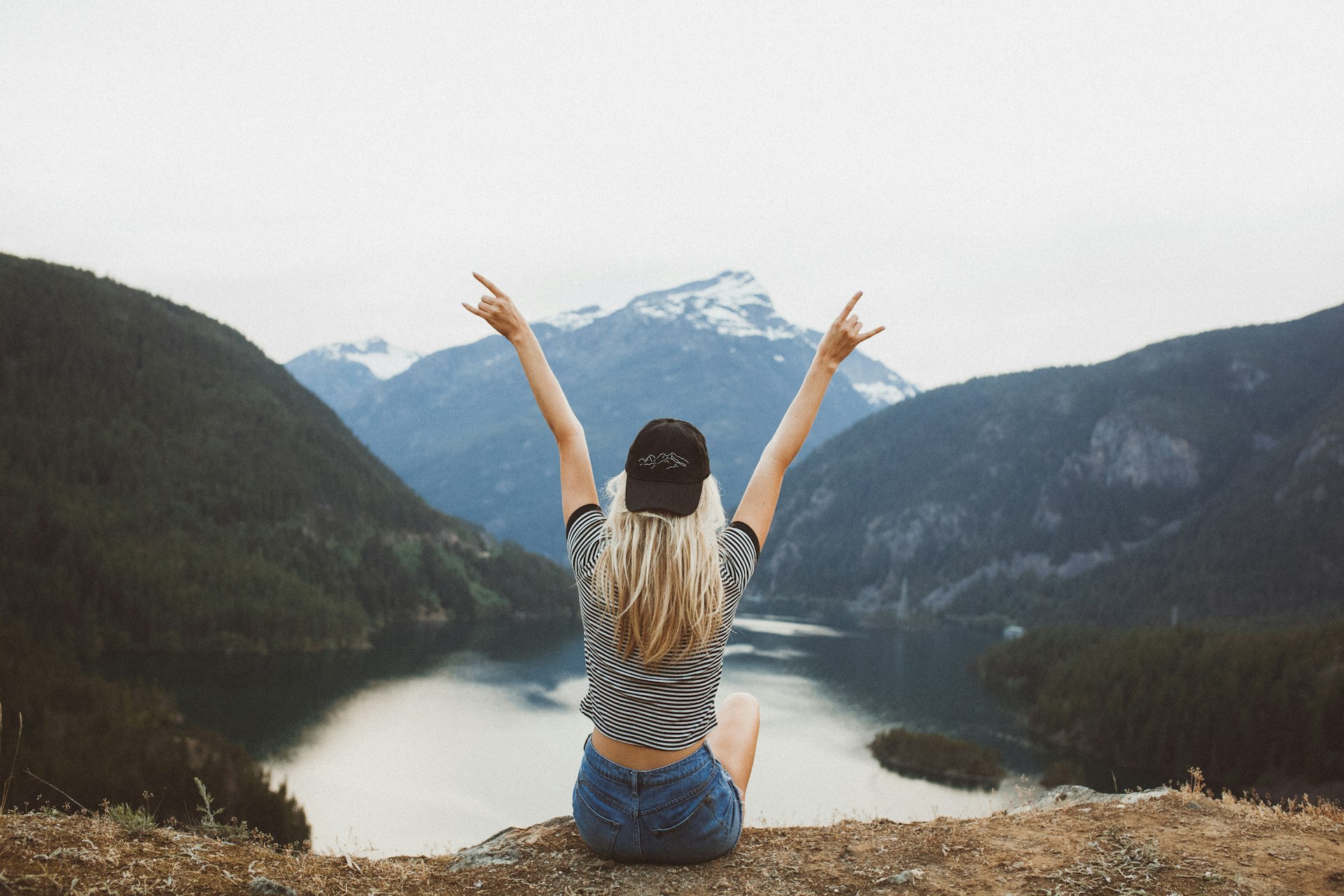
Photo by Marissa Grootes on Unsplash
Travel is a powerful tool for personal growth and wellness, but it requires intentional planning to maximize its benefits. By taking the time to prepare in advance, maintain balance while traveling, adapt to your destination, and transition smoothly back home, you can turn every trip into a revitalizing experience that nourishes both your mind and body. As you plan your next getaway, consider exploring more resources on destination-specific wellness practices and travel health guidelines to make your journey even more fulfilling.