Effective Home Strategies for Managing Urinary Tract Infections

Photo by NEW DATA SERVICES on Unsplash
Understanding Urinary Tract Infections (UTIs)
Urinary tract infections (UTIs) are common bacterial infections that can affect anyone, though they occur more often in women. Symptoms may include burning during urination, frequent urges to urinate, cloudy urine, or lower abdominal discomfort. While antibiotics are the standard treatment, many people seek home remedies either to manage mild symptoms or support medical treatment. It is crucial to recognize that untreated UTIs can lead to serious complications, so professional care should not be delayed in severe or persistent cases.
Hydration: The Cornerstone of UTI Relief
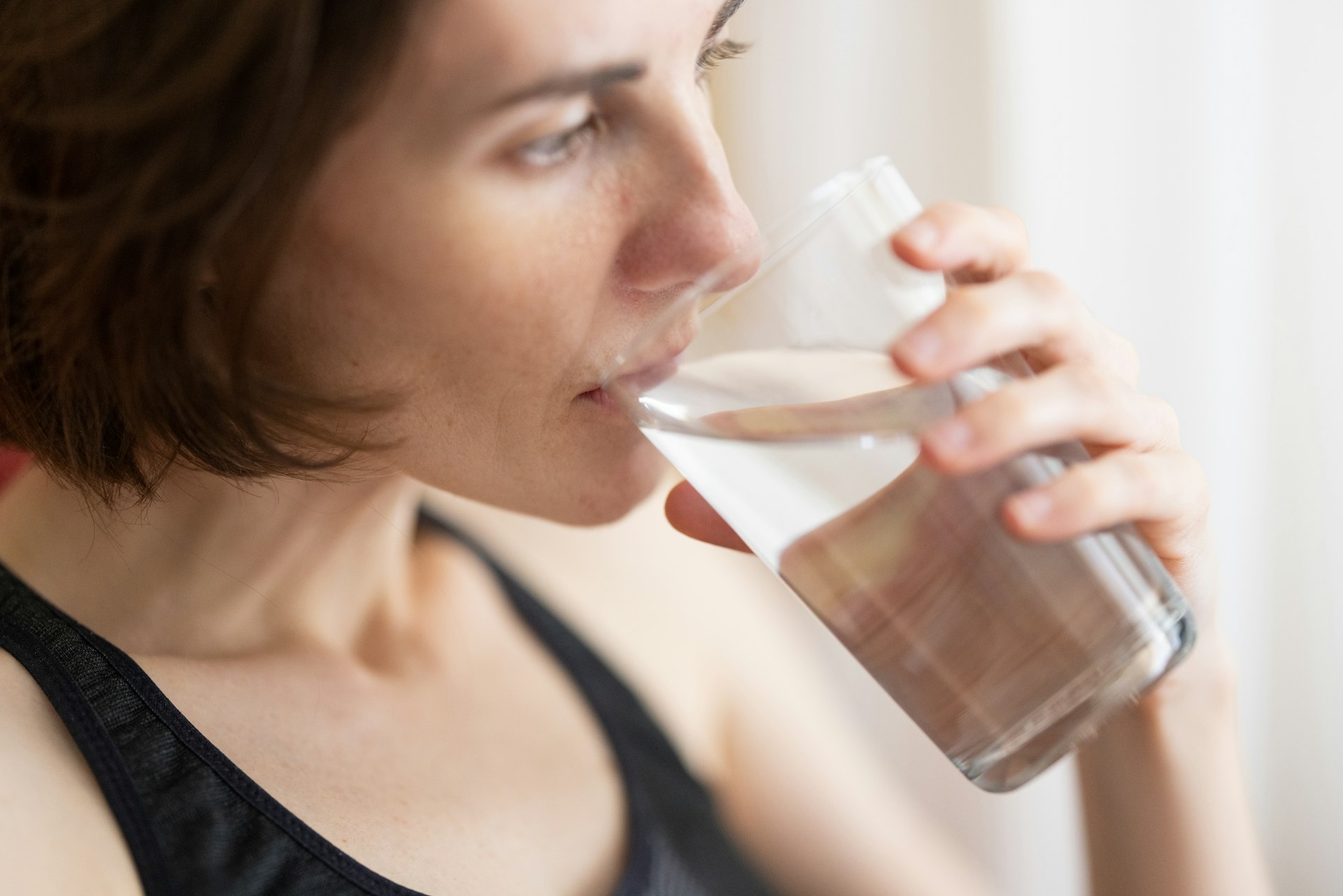
One of the most effective home approaches is drinking plenty of water . Water helps flush out bacteria from your urinary tract, potentially speeding up recovery and reducing discomfort. Aim for at least 8 glasses of water daily, unless your healthcare provider advises otherwise. In addition to plain water, water-rich foods like watermelon, oranges, and broth-based soups can boost hydration. Remember, increased fluid intake may lead to more frequent urination, but this process helps clear bacteria from your system. [1] [2]
Dietary Adjustments: Evidence and Limitations
Some foods and supplements are commonly recommended for UTI support, though their effectiveness varies:
Cranberry Juice
: Unsweetened cranberry juice is a popular choice. While research is mixed, some studies suggest that cranberries may help prevent bacteria from adhering to urinary tract walls. However, cranberry products have not been conclusively shown to
treat
active UTIs. If you choose cranberry juice, select unsweetened varieties to avoid excess sugar, which can worsen UTIs.
[1]
[2]
[3]
Probiotics : These beneficial bacteria may support urinary tract health by balancing the body’s natural flora and preventing harmful bacteria from attaching to urinary tract cells. Probiotics are found in certain yogurts, kefir, kombucha, and supplement capsules. Probiotics are especially helpful if you have recently used antibiotics, as they help restore healthy bacteria. [1] [2]
Garlic : Emerging evidence suggests that garlic, especially in extract form, has antimicrobial properties that may help reduce UTI-causing bacteria. Try adding fresh garlic to your meals or consider supplements, but check with your healthcare provider before starting any new supplement. [1] [2]
Vitamin C : Increasing your intake of vitamin C may strengthen your immune system and acidify urine, potentially hampering bacterial growth. However, consuming excessive acidic foods can irritate the bladder, so moderation is advised. [2] [3]
D-mannose : This natural sugar is available as a supplement and may help prevent recurrent UTIs by inhibiting certain bacteria from sticking to urinary tract walls. While promising, more research is needed before it can be recommended for all. [3]
Hygiene and Lifestyle Practices to Support Recovery
Proper hygiene can help prevent the worsening or recurrence of a UTI:
- Always wipe from front to back after using the restroom to prevent bacteria from entering the urinary tract.
- Urinate before and after sexual activity to help flush out bacteria.
- Avoid using scented feminine hygiene products or harsh soaps near the genital area, as these can disrupt natural bacteria and irritate sensitive tissues.
- Change menstrual products regularly and avoid prolonged use of damp pads or tampons.
- Opt for loose-fitting cotton underwear and clothing to reduce moisture and discourage bacterial growth. [2]
If you use birth control, be aware that some methods, like diaphragms or spermicides, may increase UTI risk. Water-based lubricants are preferred if needed. [2]
Practical Steps: Implementing Home Remedies
Follow these detailed steps if you are managing mild UTI symptoms at home:
- Begin increasing your water intake immediately. Space your fluids throughout the day and do not wait until thirsty to drink.
- If you choose to try cranberry juice, opt for unsweetened products and limit to one or two glasses per day.
- Add probiotic-rich foods to your meals, such as low-sugar yogurt or kefir, or consider a reputable probiotic supplement after consulting with a pharmacist or healthcare provider.
- Incorporate fresh garlic into cooking, or discuss garlic supplements with a professional for appropriate dosing.
- Consider adding a moderate dose of vitamin C from food sources such as oranges or bell peppers, but avoid excessive acidity.
- Practice regular, gentle hygiene without harsh chemicals. Change into dry, clean underwear after physical activity or sweating.
- Empty your bladder frequently and completely each time-do not “hold it” for extended periods. [1] [2]
Potential Challenges and When to Seek Help
While home remedies may provide comfort and support urinary tract health, they are not substitutes for medical treatment in moderate to severe cases. UTIs can worsen rapidly, leading to kidney infections or other complications if untreated. If you experience high fever, chills, back pain, blood in urine, nausea, vomiting, or symptoms persist beyond 24-48 hours, contact a healthcare professional immediately. For those with frequent or recurrent UTIs, schedule an appointment with a urology specialist to explore underlying causes and advanced treatment options. [2]
Alternative and Supportive Approaches
In addition to the above, some individuals explore D-mannose supplements and certain herbal remedies. While early research is encouraging, consult your healthcare provider before starting new supplements, especially if you are pregnant, breastfeeding, or have underlying health concerns. Always verify the legitimacy and quality of supplements with a pharmacist or medical expert. [3]
Summary and Key Takeaways
Managing a UTI at home involves a combination of increased hydration, dietary adjustments, good hygiene, and lifestyle changes. While these strategies may help support urinary tract health or relieve mild symptoms, antibiotics remain the primary treatment for most UTIs. When in doubt, or if symptoms are severe or persist, seek professional medical care promptly. Prevention through lifestyle adjustments and early intervention is the best approach to maintaining urinary tract health and avoiding complications.

Photo by JESHOOTS.COM on Unsplash