Achieving Lasting Wellness Through Traditional Healing: Ancient Wisdom for Modern Health

Photo by Jayne Harris on Unsplash
Introduction: Rediscovering Traditional Healing for Modern Wellness
In today’s fast-moving world, the pursuit of wellness often centers on quick fixes and symptom management. However, a growing number of people are turning to traditional healing methods that have stood the test of time. These practices, rooted in centuries of collective wisdom, offer a holistic path to well-being by nurturing the body, mind, and spirit together. This article explores how traditional healing can support your wellness journey, the core practices involved, and step-by-step approaches for practical integration into your daily life.
The Foundations of Traditional Healing
Traditional healing encompasses diverse approaches used across cultures-including Traditional Chinese Medicine (TCM), Ayurveda, Shamanism, Indigenous healing, and others. The shared philosophy is holistic: health is viewed as the harmonious balance of physical, emotional, spiritual, and environmental factors. Instead of focusing solely on treating symptoms, traditional healing seeks the root causes of imbalance, aiming to restore equilibrium and prevent future illness [1] .
Common pillars of traditional healing include:
- Natural remedies: Herbs, plants, and minerals are used for their healing properties.
- Energy balance: Practices like acupuncture, qigong, and yoga aim to balance the body’s vital energy (Qi, Prana, etc.).
- Mindful movement: Tai Chi, yoga, and traditional dance support physical and mental harmony.
- Ritual and community: Healing circles, ceremonies, and group activities foster social and spiritual health.
Key Traditional Healing Practices and Their Benefits
Each tradition offers unique tools, but several have found global acceptance:
Herbal Remedies
Practitioners often recommend plants such as turmeric (Ayurveda), ginseng (TCM), or echinacea (Indigenous North American traditions) to address specific health concerns. These remedies can provide gentle relief and preventive benefits, with fewer side effects than many synthetic drugs. However, it is crucial to consult a qualified practitioner and inform your primary healthcare provider to avoid possible interactions or contraindications [3] .
Acupuncture and Bodywork
Acupuncture, originating from Traditional Chinese Medicine, uses fine needles to stimulate points along the body’s meridians to promote energy flow and healing. It has been shown to help with chronic pain, stress, and digestive issues. Other forms of healing touch include massage, Reiki, and Indigenous bodywork, each aiming to restore the body’s natural balance [4] .
Mindfulness, Meditation, and Spiritual Practices
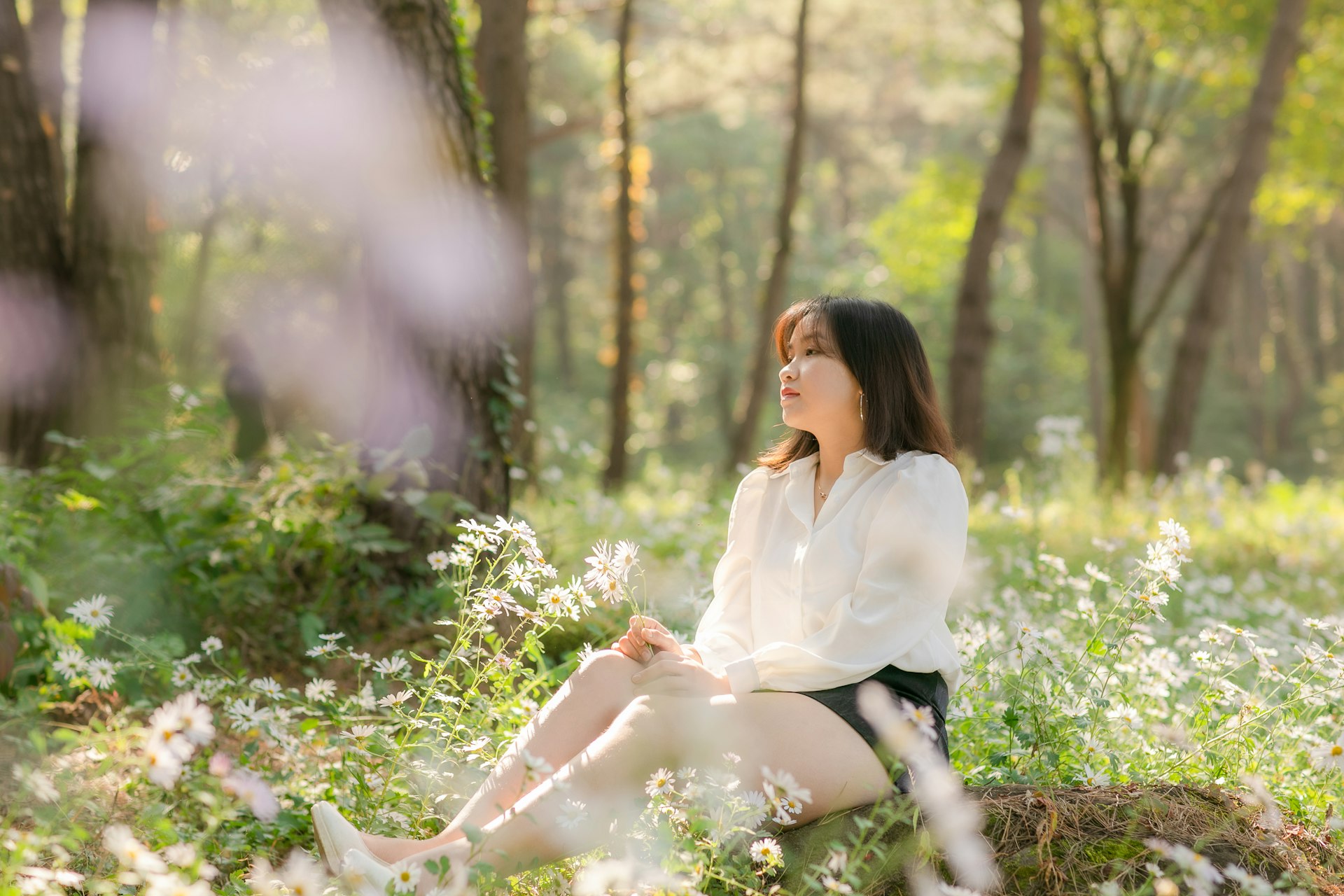
Meditation, prayer, and ritual are integral to many traditional healing systems. Regular practice can reduce anxiety, improve emotional regulation, and foster a sense of purpose. Japanese forest bathing (Shinrin-Yoku), for example, has been scientifically linked to reduced stress and improved immune function [2] .
Diet and Lifestyle Alignment
Traditional healing often includes personalized dietary guidance-Ayurveda uses “doshas” to tailor food choices, while TCM suggests eating with the seasons. These approaches emphasize whole, minimally processed foods and mindful eating habits, which support digestive health and energy balance [2] .

Photo by Hanna Witte on Unsplash
Integrating Traditional Healing into Your Wellness Routine
Bringing traditional healing into your life does not require abandoning modern medicine. Instead, you can create an integrative approach that draws on the strengths of both worlds. Here’s how to get started:
1. Self-Assessment and Goal Setting
Reflect on your current health challenges and wellness goals. Are you seeking relief from chronic conditions, stress management, or preventative care? Understanding your needs will help you choose the most relevant traditional practices.
2. Research and Identify Suitable Practices
Use reputable sources to learn about specific traditional healing methods. For example, you can explore information on the World Health Organization’s Traditional Medicine portal and academic research summaries. If you desire hands-on guidance, look for licensed practitioners in your area through professional boards or associations. Always verify practitioner credentials and consult your primary healthcare provider before beginning any new therapy.
3. Start with Small, Sustainable Changes
Begin by incorporating one or two new practices, such as adding a daily herbal tea, practicing mindful breathing, or taking a weekly yoga class. Consistency is more important than intensity-gradual integration allows you to observe benefits and adjust as needed.
4. Engage with Community
Many traditional healing systems emphasize group support and shared rituals. Seek out local or online communities, cultural centers, or meditation groups. Community engagement can boost motivation and help you learn from others’ experiences [2] .
5. Monitor and Adjust
Track your physical and emotional responses. Wellness is personal-what works for one person may not be ideal for another. Stay open to trying alternative approaches or adjusting your routine in consultation with qualified practitioners.
Potential Challenges and Solutions
Integration of traditional healing comes with considerations:
- Lack of Regulation: Some herbal supplements and practitioners are not regulated. To avoid risks, seek recommendations from recognized professional bodies and always inform your primary healthcare provider about any traditional remedies or therapies you are using.
- Scientific Evidence: While many practices are supported by centuries of anecdotal success, not all have robust scientific backing. When in doubt, consult reputable sources, look for peer-reviewed studies, and use qualifying language: “may help,” “could benefit,” etc.
- Accessibility: Not all traditional practices are available everywhere, especially in rural or remote areas. Consider online classes, virtual consultations, or self-guided practices as alternatives.
Alternative Approaches and Future Trends
The field of integrative health is expanding as practitioners and researchers recognize the value of combining traditional wisdom with modern science. Hospitals and clinics increasingly offer services like acupuncture, yoga therapy, and guided meditation alongside conventional care. You may find integrative health centers in many urban areas, and some insurance plans now cover complementary therapies. To locate services, search for “integrative health clinic” or “licensed acupuncturist” in your region and confirm affiliation with reputable organizations.
Practical Steps to Access Traditional Healing Services
If you are interested in exploring traditional healing, consider the following steps:
- Consult your primary care provider to discuss your interest in traditional healing and ensure there are no contraindications with existing treatments.
- Research specific practices (e.g., acupuncture, Ayurveda, herbalism) through established sources like the World Health Organization or academic health centers.
- Identify licensed or certified practitioners in your area. You can search professional boards or ask local hospitals about integrative health programs.
- Consider joining community groups or online forums dedicated to traditional wellness, which can provide support and shared experiences.
Conclusion: Embracing Holistic Wellness for a Balanced Life
Traditional healing offers a time-tested pathway to wellness, emphasizing the interconnectedness of mind, body, spirit, and environment. When blended thoughtfully with modern medicine, these practices can foster lasting health, resilience, and personal growth. By starting small, seeking reliable guidance, and honoring your unique needs, you can unlock the benefits of ancient wisdom in your modern wellness journey.
References
- [1] EBSCO (n.d.). Traditional healing overview and principles.
- [2] Divine Health (2022). What Traditional Healing Can Teach Us.
- [3] Peak Wellness (2023). Exploring the Benefits of Traditional Medicine and Its Role in Integrative Healthcare.
- [4] World Health Organization (2023). Traditional medicine’s role in conventional healthcare.