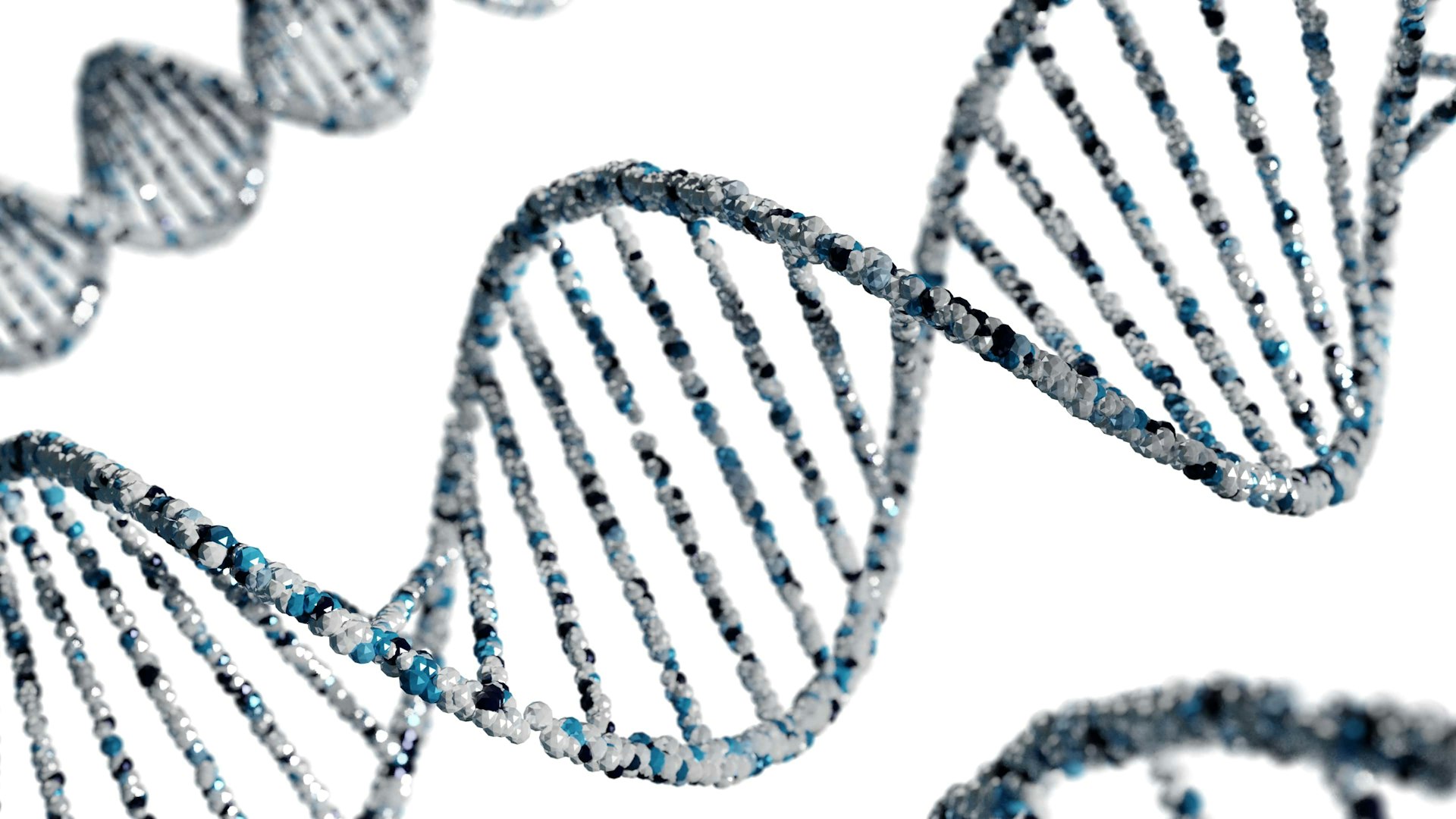
Understanding How Personalized Biological Insights Shape Proactive Health Choices

Photo by digitale.de on Unsplash
Proactive Health: Moving Beyond General Guidelines
For decades, preventive health has relied on broad, population-based guidelines-annual checkups, age-specific screenings, and one-size-fits-all lifestyle advice. While these frameworks provide a solid foundation, they often overlook the unique biological factors that make each person’s health journey distinct. In recent years, a growing number of individuals have turned to personalized insights to refine their preventive health plans, recognizing that what works for one person may not be as effective for another due to inherent genetic differences.
Unpacking Personalized Biological Insights
At the heart of this tailored approach is the ability to gain a deeper understanding of one’s genetic makeup. These insights can reveal patterns that indicate an increased likelihood of developing certain chronic conditions, such as cardiovascular disease, type 2 diabetes, or certain types of cancer. It’s critical to emphasize that these insights are not a definitive diagnosis; they simply highlight areas where extra vigilance or proactive adjustments can make a significant difference in long-term health outcomes. For example, someone with a genetic predisposition to high blood pressure may not develop the condition if they maintain a low-sodium diet, exercise regularly, and monitor their blood pressure closely.
Translating Insights into Actionable Steps
One of the most impactful ways to use these insights is to adjust daily lifestyle habits to mitigate potential risks. For instance, if an individual learns they have a genetic variant associated with an increased risk of type 2 diabetes, they can work with a registered dietitian to develop a meal plan rich in fiber, whole grains, and lean proteins, while limiting refined sugars and processed foods. They may also choose to incorporate more regular physical activity-such as daily walks or strength training-into their routine to improve insulin sensitivity. These small, consistent changes can delay or even prevent the onset of the condition, rather than waiting for symptoms to appear before taking action.
Another example is genetic predisposition to osteoporosis. Individuals with this insight can prioritize calcium and vitamin D intake, engage in weight-bearing exercises like hiking or dancing, and schedule bone density screenings at an earlier age than the general population. This proactive approach helps maintain bone health and reduces the risk of fractures later in life.

Photo by Akram Huseyn on Unsplash
Refining Screening and Early Intervention Plans
Personalized biological insights also play a key role in determining the frequency and type of screenings needed. For someone with a genetic predisposition to breast or ovarian cancer (such as mutations in the BRCA1 or BRCA2 genes), healthcare providers may recommend starting mammograms or pelvic exams at an earlier age, or opting for more sensitive screening methods like MRI scans. This early detection can drastically improve treatment outcomes if a condition does develop, as it allows for intervention at the earliest, most treatable stages.
Similarly, individuals with a genetic predisposition to colorectal cancer may choose to start colonoscopies 10 years earlier than the recommended age of 45, or undergo more frequent screenings. This can help identify and remove precancerous polyps before they develop into cancer, saving lives and reducing the need for aggressive treatments.
Ethical and Practical Considerations
While these tools offer significant benefits, there are important ethical and practical considerations to keep in mind. Genetic insights are highly personal, and individuals should ensure they work with reputable providers who prioritize privacy and confidentiality. It’s also crucial to interpret these results alongside a qualified healthcare professional, as genetic factors interact with environmental and lifestyle elements in complex ways. A provider can help contextualize the results, explain the limitations of the testing, and create a plan that is tailored to the individual’s overall health profile.
Another consideration is the potential impact on family members. If an individual learns they have a genetic variant associated with a heritable condition, it’s important to consider whether to share this information with relatives who may also be at risk. This can help family members take proactive steps to protect their own health, but it’s a decision that should be made with care and respect for everyone’s autonomy.
Empowering Long-Term Wellness
Ultimately, the goal of integrating personalized biological insights into preventive health planning is to empower individuals to take control of their well-being. By understanding their unique biological risks, people can make informed decisions that align with their goals and values. Whether it’s adjusting their daily routine, modifying their screening schedule, or exploring targeted lifestyle changes, these small, proactive steps can add up to significant improvements in long-term health.
As with any health-related decision, it’s important to approach these tools with curiosity and caution. Learning more about the science behind personalized health, consulting with healthcare professionals, and exploring reputable resources can help individuals make the most of these insights. By taking a proactive, informed approach, anyone can move toward a more tailored and effective plan for sustained wellness.