Understanding the Hidden Impacts of Inactivity and Simple Ways to Add More Movement to Your Day

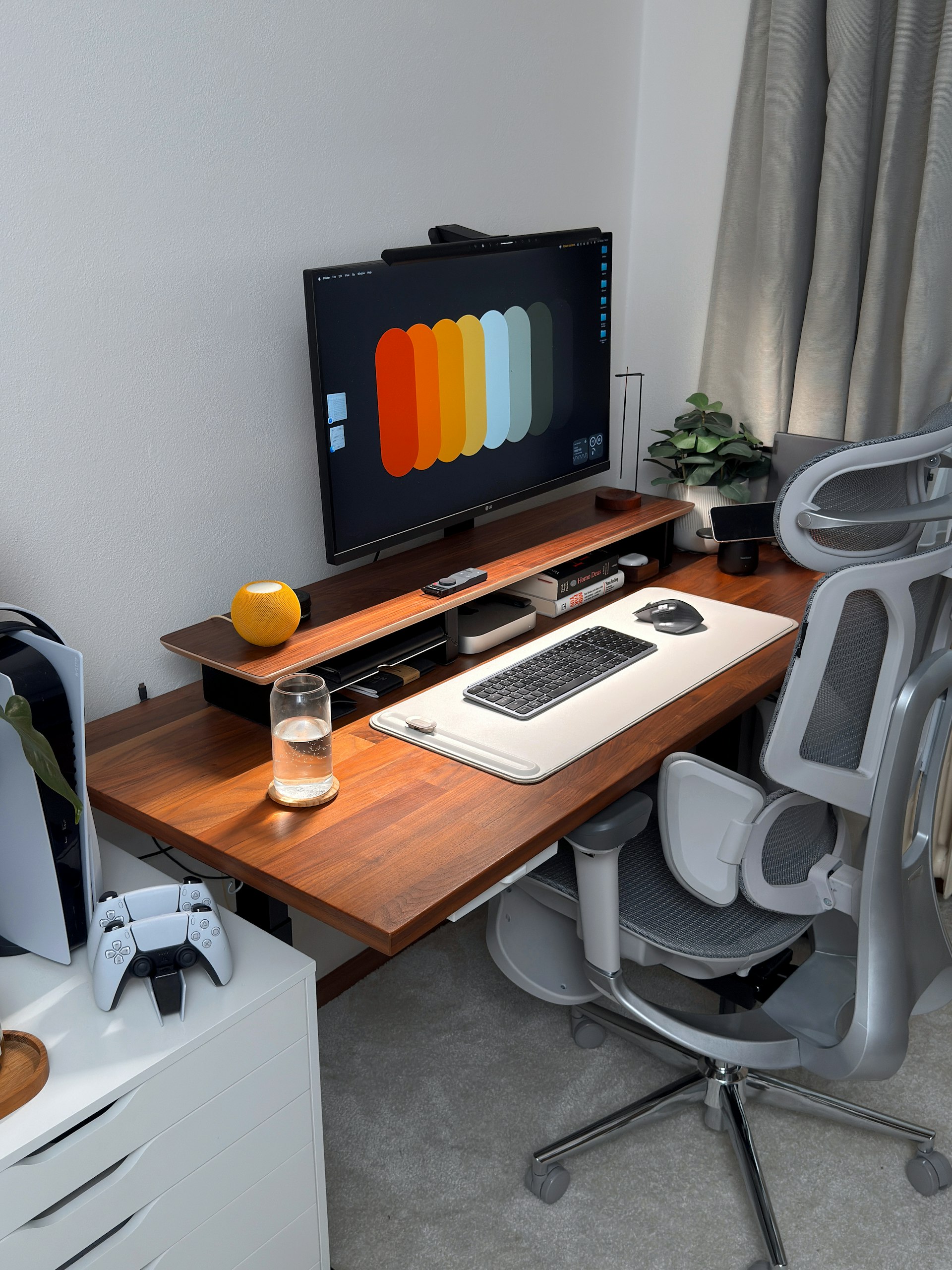
Photo by Vu Nghi Thai on Unsplash
For millions of people around the world, daily life revolves around sitting-whether at a desk for work, on the couch for entertainment, or in a car for commuting. This prolonged inactivity has become a normalized part of modern society, but its effects on the body and mind are far from trivial. Over time, spending most of the day seated can lead to a range of health concerns that often go unnoticed until they become more serious.
The Physical Risks of Prolonged Sitting
One of the most immediate impacts of a sedentary lifestyle is on the musculoskeletal system. When seated for hours, the spine is forced into a forward-slouched position, putting extra pressure on the lower back and neck. This can lead to chronic pain, stiffness, and even long-term spinal issues like herniated discs. Additionally, sitting reduces blood flow to the legs, which can weaken the muscles and increase the risk of varicose veins or deep vein thrombosis (DVT), especially for those who sit for extended periods without moving.
Cardiovascular health is also significantly affected by inactivity. When sitting, the heart pumps blood less efficiently, leading to lower heart rate variability and increased blood pressure over time. This can raise the risk of heart disease, stroke, and other cardiovascular conditions. Metabolic health is another area of concern: prolonged sitting can reduce the body’s ability to regulate blood sugar levels, increasing the risk of type 2 diabetes. It can also lead to weight gain, as the body burns fewer calories when seated, and muscle mass decreases, further slowing metabolism.
Mental health is not immune to the effects of a sedentary lifestyle either. Studies have shown that people who sit for long periods are more likely to experience symptoms of anxiety and depression. This may be linked to reduced blood flow to the brain, lower levels of endorphins (the body’s “feel-good” hormones), and a lack of exposure to natural light and movement, which are all important for mental well-being.
What Are Movement Snacks?
Movement snacks are short, bursts of physical activity that can be incorporated into daily routines without requiring a lot of time or effort. Unlike formal exercise sessions that may take 30 minutes or more, movement snacks typically last between 1 and 5 minutes, making them easy to fit into busy schedules. They can be done anywhere-at the office, at home, or even while waiting in line-and don’t require any special equipment.
Examples of Easy Movement Snacks
There are countless ways to add movement snacks to your day. Here are some simple ideas to get started:
- Desk Stretches: While sitting at your desk, try shoulder rolls, neck stretches, or leg lifts. These can help relieve tension in the upper body and improve blood flow to the legs.
- Standing Breaks: Every hour, stand up and walk around for a minute or two. You can grab a glass of water, stretch your legs, or just walk to the next room and back.
- Stair Climbing: Instead of taking the elevator or escalator, climb a few flights of stairs. Even one flight can make a difference in your daily activity level.
- Bodyweight Exercises: Do a few squats, lunges, or push-ups (against a wall if needed) while waiting for your coffee to brew or your meeting to start.
- Walking Meetings: If you have a phone call or a casual meeting, consider taking it while walking around the office or outside. This not only adds movement but can also boost creativity and focus.
- Household Chores: Turn chores like vacuuming, mopping, or folding laundry into movement snacks. These tasks get you moving and help keep your home clean at the same time.
Benefits of Incorporating Movement Snacks
Adding movement snacks to your day can have a range of benefits for both physical and mental health. For starters, they can help reduce the risk of the health issues associated with prolonged sitting, such as back pain, heart disease, and diabetes. They can also improve energy levels, as even short bursts of movement increase blood flow and oxygen to the brain, helping you feel more alert and focused.
Movement snacks can also have a positive impact on mental health. They can reduce stress and anxiety by releasing endorphins, and they can help improve mood and self-esteem. Additionally, incorporating small amounts of movement into your day can help build a habit of being active, making it easier to add more formal exercise to your routine over time.
How to Make Movement Snacks a Habit
The key to making movement snacks a permanent part of your routine is to make them easy and convenient. Here are some tips to help you stick with it:
Set Reminders: Use your phone or computer to set hourly reminders to get up and move. This can help you remember to take breaks even when you’re busy.
Pair Movement with Daily Tasks: Link movement snacks to activities you already do every day. For example, do a few squats every time you brush your teeth, or stretch while waiting for your morning coffee to brew.

Photo by Vu Nghi Thai on Unsplash
Start Small: You don’t need to do a lot of movement at once. Even 1 minute of activity every hour can add up over time. As you get used to it, you can gradually increase the length or intensity of your movement snacks.
Make It Fun: Choose movement snacks that you enjoy. If you like dancing, put on a song and dance for a minute. If you like walking, take a short walk around the block. The more fun you have, the more likely you are to stick with it.
Taking steps to reduce prolonged sitting and add more movement to your day doesn’t have to be complicated. Movement snacks are a simple and effective way to improve your health and well-being, even with a busy schedule. By making small, consistent changes to your daily routine, you can reduce the risk of chronic health issues, boost your energy levels, and improve your mental health. As you explore different movement snacks and find what works best for you, you may discover new ways to stay active and enjoy a more balanced, healthy life.